Table of Contents
ToggleIntroduction: Amarnath Yatra Guide 2026
The Amarnath Cave, situated in the magnificent Himalayas, is one of the most holy places that hold great spiritual value for millions of Hindus worldwide. Each year, a huge number of devotees make a pilgrimage through the tough but fulfilling Amarnath Yatra seeking blessings from their gods. For those looking for a complete Amarnath Yatra Guide, this sacred journey offers both spiritual depth and real-life adventure.
The Amarnath Yatra is far more than just an ordinary spiritual trip. With the breathtaking beauty of the snow-capped mountains and the surrounding nature, each participant of the pilgrimage gets the full experience of devotion and spirituality.Whether you are exploring different Amarnath Yatra packages or deciding between the Baltal vs Pahalgam route Amarnath, the journey remains equally divine and memorable.
Here you will find all the information about the spiritual significance and history of the cave, along with the full itinerary of the Amarnath Yatra. This guide also explains how to plan Amarnath Yatra, covering important details like Amarnath Yatra budget and cost, essential preparation steps, and helpful Amarnath Yatra tips for first timers.
In addition, you will get a clear understanding of Amarnath Yatra accommodation options, route selection, travel planning, and everything required to make your pilgrimage smooth, safe, and well organized.
Planning Amarnath Yatra 2026?
✔ Helicopter Packages
✔ Pahalgam / Baltal Routes
✔ Hotel + Transport Included
Call / WhatsApp:
+91 6005039532
History of Amarnath Yatra
- Mythological Background As per the belief of the Hindus, the holy cave of Amarnath is the cave in which Lord Shiva imparted the knowledge of immortal life, or Amar Katha, to Goddess Parvati, which forms an important part of the Amarnath Yatra Guide.It was considered important to make sure there was no leak at any point, hence Lord Shiva made sure he came to this isolated cave and even abandoned all his companions en route,a journey that is today reflected in the Amarnath Yatra route and often discussed under the Baltal vs Pahalgam route Amarnath.
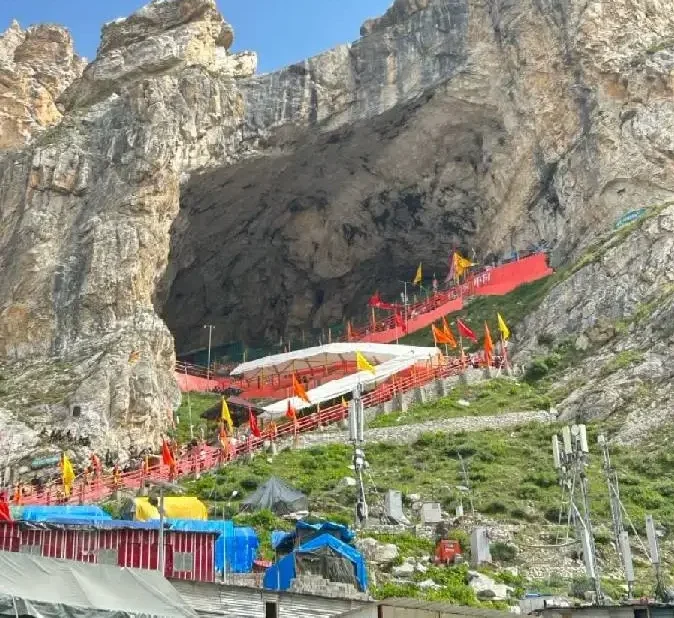
- Discovery of the Cave Although there are many mentions of the cave in ancient literature, the discovery of the cave in modern times is attributed to a local shepherd, known as Buta Malik, which is often highlighted in every detailed Amarnath Guide. According to folklore, he encountered a saint who gave him a sack full of coal, but it was converted into gold. While returning to thank the saint, he accidentally found the holy cave, now known as the sacred Amarnath Cave, an important part of the spiritual journey of the Amarnath Yatra.
- Historical Mentions However, it should be noted that the Amarnath Yatra is not a recent development. There have been references made to the religious pilgrimage route in ancient literary works such as Rajatarangini, which was composed by the Kashmiri scholar Kalhana during the 12th century, a fact often mentioned in a detailed Amarnath Travel Guide.
- Development Over Time: With an increasing number of devotees participating in the Amarnath pilgrimage, there have been some substantial developments in terms of infrastructure and facilities. The current body that oversees the pilgrimage is the Shri Amarnath Shrine Board, which is also entrusted with the task of managing the pilgrimage and organizing all necessary arrangements for its successful completion.
- Modern-Day Importance However, the Amarnath Yatra has now become one of the most prominent pilgrimage tours in India in the last few decades, with lakhs of pilgrims undertaking it each year, often choosing different Amarnath Yatra packages based on their preferences. Although there may be difficulties such as weather and geographical problems, the devotion and zeal of the pilgrims have kept this age-old tradition of visiting the Amarnath Cave alive, making it a significant part of any Amarnath Yatra Guide and inspiring many travellers on how to plan Amarnath Yatra effectively.
Importance and Significance of Amarnath Yatra
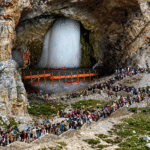
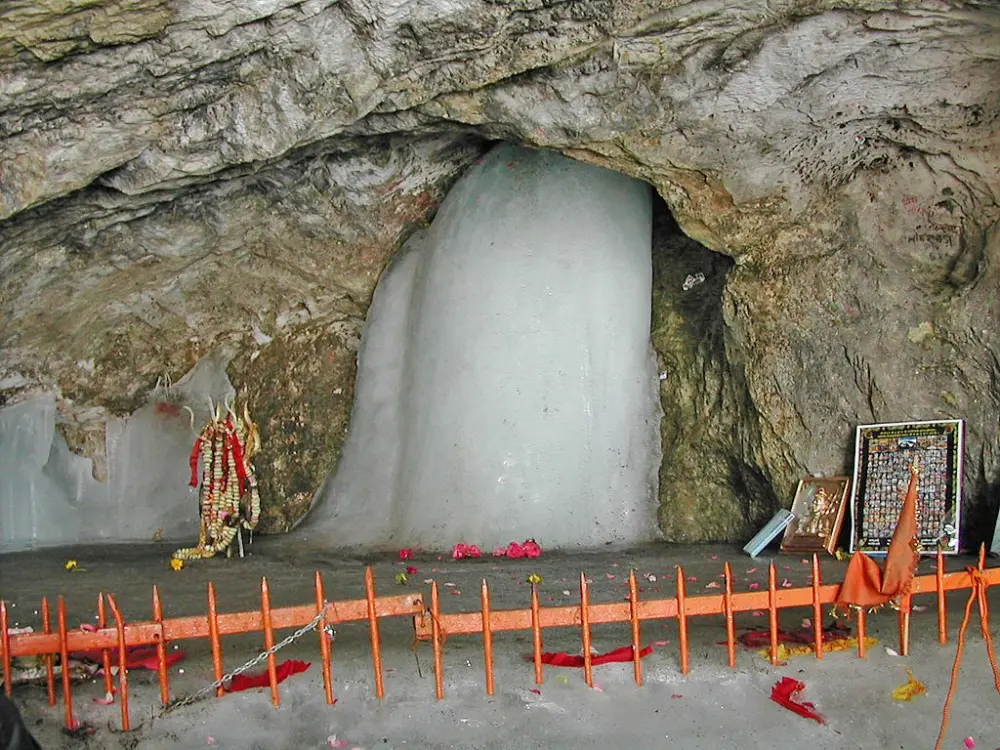
- Sacred Ice Lingam Ice Shivling in the Sacred Amarnath Cavern The sacred cave of Amarnath has an ice Shivling which is believed to be an incarnation of Lord Shiva. It is the uniqueness of this lingam that it changes its shape as per the phases of the moon, which is quite an uncommon phenomenon.
- Spiritual Beliefs This journey is considered to provide spiritual purity and deliverance through which one can achieve moksha. The devotees undertake this journey with the belief that this experience will make them spiritually pure, absolving them of all the sins committed by them before.
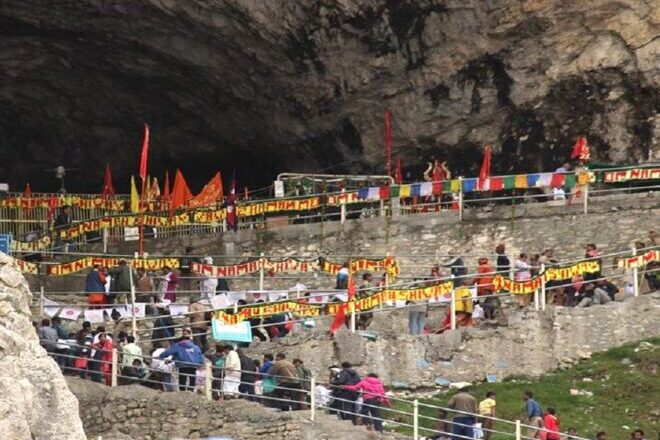
- Journey of Faith and Devotion Not only is the pilgrimage a process of arriving at the destination, but also it involves undergoing many trials and tribulations. For example, devotees travel long distances, through difficult terrains and weather conditions, and even climb to great heights, demonstrating their unwavering devotion.
- Cultural Unity Amongst the many spectacular things about Amarnath Yatra, one that stands out is the fact that it unites people of diverse origins, linguistic groups, and backgrounds into one body that is working toward the same objective..
- Symbol of Tradition and HeritageThe pilgrimage is a practice that has existed for many years and is considered a significant part of India’s cultural and religious heritage. The Amarnath Yatra continues to link people to their spiritual heritage despite being modernized.
- Natural Beauty: In addition to the spiritual significance, the trip to the cave presents one with stunning views of the mountains in the Himalayas. The snow-capped mountains, the rivers, and valleys form a picture that one can never forget.
- Inner Transformation Most pilgrims find that the yatra is a life-transforming experience. Physical hardships and spiritual surroundings often result in feelings of peace and self-awareness. The yatra stops being just a journey and becomes an individual one.
- Sense of Achievement The completion of the Amarnath Yatra is a highly rewarding experience that instills a great sense of achievement among devotees due to the physical and psychological efforts made to reach the holy shrine.
Amarnath Yatra Registration 2026
Registration is one of the compulsory steps in how to plan Amarnath Yatra before embarking on the journey of the Amarnath Yatra. In case you don’t have a valid permit, you won’t be able to participate in the Yatra. The Amarnath Yatra registration process is done through the Shri Amarnath Shrine Board.
Registration Dates (Expected 2026)
- Start Date: 15 April 2026
Important: Early registration is strongly advised because it closes if the daily quota is reached before the stated deadline.
Required Documents
In order to register successfully, you will need the following documents:
- Aadhar Card: Required for identity verification purposes.
- Passport is required for NRIs or international visitors
- Compulsory Health Certificate (CHC): This is a document signed by authorized physicians, which proves that you are medically sound enough to participate in the high altitude yatra.
Ensure that your health certificate comes from an authorized hospital/doctor; else, your application may be denied.
Why Registration is Important
- Guarantees your security throughout your travel experience
- Facilitates the tracking of pilgrims via the RFID mechanism
- Controls overcrowding on certain days
- Offers access to sanctioned campsites and other facilities
Additional Important Points
- Every yatri is allocated a particular date and route.
- Take print and electronic copies of your permit.
- You should always wear your RFID card while participating in the pilgrimage.
- Non-registration entry is not allowed.
Pro Tips for Easy Registration
- Submit the application as soon as registration begins
- Prepare all required documents well in advance
- Cross-check all information before submitting the application
- Plan your course carefully according to your fitness level
How to Book Amarnath Yatra (Step-by-Step Guide 2026)
Proper booking of your Amarnath Yatra, including selecting the right Amarnath Yatra package, is undoubtedly one of the most critical aspects to guarantee that you have a smooth experience. The reason being that there are limits imposed on the number of people who visit on a particular day. So proper documentation at an earlier stage becomes extremely important, while understanding how to plan Amarnath Yatra effectively, especially when following essential Amarnath Yatra tips for first timers.
Online Process
The easiest and most preferred method is online registration through the official portal of the
Shri Amarnath Shrine Board.
Steps to follow:
- Visit the official SASB website
- Fill out the registration form with accurate personal details
- Select your preferred route (Baltal or Pahalgam) and travel date
- Upload required documents such as:
- Aadhar Card
- Compulsory Health Certificate (CHC)
- Pay the registration fee online
- Download or print your Yatra permit and confirmation slip
Tip
Always double-check your details before submitting the form. Any mismatch in documents can lead to rejection at the verification stage.
Offline Process
For those who prefer offline registration, the process is equally simple.
Steps to follow:
- Visit authorized bank branches (like PNB, J&K Bank, Yes Bank)
- Collect and fill out the registration form
- Submit required documents along with the form
- Pay the registration fee at the counter
- Receive your Yatra permit and receipt
Ground Insight:
Offline slots are limited and often fill quickly, so it is better to visit early in the day.
Helicopter Booking (Fastest Option)
Amarnath Helicopter services are one of the most common modes used by pilgrims seeking to avoid the hassle of long treks.
- Available via Baltal (Neelgrath) and Pahalgam routes
- Can be booked through portals and service providers
- Booking in advance is extremely advised considering the great popularity of the activity
Important Point:
Even after a helicopter ride to Panchtarni, pilgrims have to cover about 5-6 kilometers before getting to the cave site.
Tour Packages (The Easy Way Out)
Many tourists like to book packages because of ease.
Packages generally cover:
- Transportation
- Helicopter
- Hotel accommodation
- Registration assistance
- Meals (if client want to include)
Helpful Hint:
Always choose reliable and experienced tour agencies, particularly those with knowledge about the local situation.
If you are planning to travel during the summer season, this is also the perfect time to explore the beauty of Kashmir beyond the yatra. Along with your pilgrimage, you can plan a complete Kashmir tour covering some of the most scenic destinations.
Top Places To Visit in Kashmir in Summer
- Srinagar – Famous for Dal Lake, houseboats, and Mughal gardens
- Gulmarg – Ideal for gondola rides and lush green landscapes
- Pahalgam – Starting point of Amarnath Yatra and known for its natural beauty
- Sonamarg – Known as the “Meadow of Gold” with glaciers and scenic views
With Brown Chinar Kashmir Tour & Travels, you can combine your Amarnath Yatra with a customized Kashmir summer tour. We help you plan a complete itinerary that includes pilgrimage, sightseeing, comfortable stays, and local experiences ensuring a smooth and memorable journey.
Suggested itinerary for Amarnath Yatra (Baltal & Pahalgam Routes) with Kashmir Summer Tour Package (7 Nights / 8 Days)
Baltal Route Itinerary for Amarnath Yatra with Kashmir Summer Tour Package 7 Night / 8 Days
Starting Point: Srinagar
The itinerary that we have put together carefully balances spiritual experiences such as the Amarnath Yatra and the scenic experiences offered in Kashmir.
Day 1: Arrival + Srinagar Local Sightseeing
Welcome to the Sheikh ul-Alam International Airport as our representatives welcome you into Kashmir and take you to your hotel or houseboat accommodation.
After some rest, begin your Srinagar local sightseeing:
- Visit the beautiful Mughal Gardens including Nishat Bagh and Shalimar Bagh, known for their stunning layouts and views of the surrounding mountains
- Visit the sacred Shankaracharya Temple, situated on a hilltop offering panoramic views of the city and Dal Lake
- Explore local markets for handicrafts, dry fruits, and traditional Kashmiri items
This day is designed to help you relax and gently introduce you to the culture and beauty of Kashmir.
Overnight Stay: Srinagar
Day 2: Srinagar to Sonamarg
After breakfast, proceed on a picturesque drive to Sonamarg, one of the most scenic valleys in Kashmir.
The journey itself is a visual treat, with the Sindh River flowing alongside and majestic mountains forming a stunning backdrop throughout the drive.
On arrival:
- Visit the famous Thajiwas Glacier (accessible by a short trek or pony ride), known for its pristine beauty and glacier views
- Excursion towards Zero Point (Zoji La area), offering dramatic high-altitude landscapes and panoramic mountain scenery
- Relax amidst lush meadows and enjoy the fresh alpine environment
- Take a light walking tour of the valley for acclimatization
- Capture stunning photographs of glaciers, rivers, and surrounding peaks
This day is important for acclimatization, helping your body adjust before the Amarnath Yatra.
Overnight Stay: Sonamarg
Day 3: Amarnath Darshan (Baltal Route)
Early morning departure for the holy darshan at
Amarnath Cave
This is the most significant day of your journey.
Yatra Options:
- Trekking route (approx. 14 km one way, steep and physically demanding)
- Pony or palki for a more comfortable ascent
- Helicopter service from Neelgrath to Panchtarni for quicker access
As you proceed, you will witness breathtaking Himalayan landscapes and the devotion of fellow pilgrims.After reaching the sacred cave and completing darshan of the naturally formed ice Shivling, begin your return journey to Baltal.
Return by evening to Baltal / Sonamarg.
Overnight Stay: Sonamarg
Day 4: Sonamarg To Srinagar
After breakfast, drive back to Srinagar.
This day is dedicated to relaxation after the yatra:
- Visit local markets for authentic Kashmiri products like Pashmina shawls,, and handicrafts
- Spend a calm evening with a Shikara ride on Dal Lake, enjoying sunset views and peaceful surroundings
Overnight Stay: Srinagar
Day 5: Gulmarg Day Tour
After breakfast, drive to Gulmarg, a world-renowned hill destination.
Known for its lush meadows and panoramic views, Gulmarg offers a refreshing escape:
- Take an optional ride on the Gulmarg Gondola for breathtaking aerial views
- Enjoy leisure time walking through green landscapes surrounded by mountains
- Ideal spot for photography and relaxation
Return to Srinagar by evening.
Overnight Stay: Srinagar
Day 6: Srinagar To Pahalgam Transfer
After breakfast, drive to Pahalgam, also known as the “Valley of Shepherds.”
The route is scenic and culturally rich:
- Pass through Pampore, famous for saffron fields
- See traditional villages and apple orchards
- Follow the beautiful Lidder River along the way
On arrival, check in and relax amidst the serene environment of Pahalgam.
Overnight Stay: Pahalgam
Day 7: Pahalgam To Srinagar
After breakfast, explore the stunning valleys around Pahalgam:
- Visit Betaab Valley, known for its lush greenery and cinematic landscapes(if opens)
- Visit Aru Valley, a peaceful destination surrounded by mountains and meadows
After sightseeing, drive back to Srinagar.
Overnight Stay: Srinagar
Day 8: Departure
After breakfast, transfer to the airport for your onward journey.
The tour concludes with divine blessings of Lord Shiva, leaving you with unforgettable spiritual and travel memories.
Pahalgam Route Itinerary for Amarnath Yatra with Kashmir Summer Tour Package 7 Night / 8 Days
This thoughtfully planned route is made keeping the requirements of the pilgrims and tourists in mind, who like to have their Amarnath Yatra pilgrimage in an easy and scenic way through the Pahalgam route, along with the enchanting scenery of Kashmir. This route comprises tranquil lakes, valleys, and mountains, and the divine darshan at Amarnath cave.
Day 1: Arrival + Srinagar Local Sightseeing
Welcome to the Sheikh ul-Alam International Airport as our representatives welcome you into Kashmir and take you to your hotel or houseboat accommodation.
After some rest, begin your Srinagar local sightseeing:
- Visit the beautiful Mughal Gardens including Nishat Bagh and Shalimar Bagh, known for their stunning layouts and views of the surrounding mountains
- Visit the sacred Shankaracharya Temple, situated on a hilltop offering panoramic views of the city and Dal Lake
- Explore local markets for handicrafts, dry fruits, and traditional Kashmiri items
This day is designed to help you relax and gently introduce you to the culture and beauty of Kashmir.
Overnight Stay: Srinagar
Day 2: Srinagar To Pahalgam Transfer
After breakfast, begin your scenic drive towards Pahalgam, also known as the “Valley of Shepherds.”
The journey itself is highly scenic, passing through:
- Saffron fields of Pampore
- Traditional Kashmiri villages
- Apple orchards and river valleys along the Lidder River
On arrival, check-in and relax in the peaceful environment of Pahalgam, surrounded by pine forests and fresh mountain air.
Overnight Stay: Pahalgam
Day 3: Amarnath Darshan via Helicopter
Early morning transfer for the sacred journey to
Amarnath Cave via helicopter service.
Route Overview:
- Pahalgam / Neelgrath helipad → Panchtarni (by helicopter)
- Short trek or pony ride from Panchtarni to the holy cave
Upon arrival, witness the divine ice Shivling and perform darshan in a spiritually powerful atmosphere surrounded by the Himalayas.
After completing darshan, return to Pahalgam by helicopter.
This is the most convenient and time-saving option for pilgrims who want comfort along with devotion.
Overnight Stay: Pahalgam
Day 4: Pahalgam To Srinagar
After breakfast, drive back to Srinagar.
Upon arrival, enjoy a relaxed evening:
- Shop at local markets for authentic Kashmiri products such as Pashmina shawls, saffron, and handmade crafts
- Later, enjoy a calm Shikara ride on Dal Lake during sunset, experiencing the golden reflections on water
This day is designed for leisure and recovery after the yatra.
Overnight Stay: Srinagar
Day 5: Gulmarg Day Tour
After breakfast, proceed towards Gulmarg, one of the most iconic hill stations in India.
Gulmarg is known for its vast meadows, alpine beauty, and peaceful surroundings.
Highlights:
- Optional ride on the world-famous Gulmarg Gondola offering panoramic Himalayan views
- Leisure walks across lush green meadows and forest trails
- Photography and relaxation in a tranquil mountain environment
Return to Srinagar by evening.
Overnight Stay: Srinagar
Day 6: Srinagar to Sonamarg Transfer & Sightseeing
After breakfast, drive to Sonamarg, famously known as the “Meadow of Gold.”
The journey offers stunning views of mountains, valleys, and the Sindh River flowing alongside.
Enjoy your day with:
- Visit to the beautiful Thajiwas Glacier (accessible via a short trek or pony ride), known for its breathtaking glacier views and natural surroundings
- Excursion towards Zero Point, where you can witness dramatic high-altitude landscapes and panoramic mountain scenery
- Relax and unwind in the serene environment surrounded by lush meadows and alpine beauty
- Take peaceful walks and capture memorable photographs of rivers, glaciers, and towering peaks
Spend quality time exploring the untouched beauty of Sonamarg and enjoying the refreshing mountain atmosphere.
Overnight Stay: Sonamarg
Day 7: Sonamarg to Srinagar
After breakfast, enjoy some relaxed time in Sonamarg before driving back to Srinagar.
On arrival, you can:
- Visit local markets
- Relax at your hotel or enjoy the lakeside atmosphere
This day is kept light for comfort and flexibility.
Overnight Stay: Srinagar houseboat
Day 8: Departure
Transfer to Sheikh ul-Alam International Airport after breakfast for your next destination.
Your tour ends with the blessings of Lord Shiva with fond memories of Kashmir & Amarnath Yatra.
Package Inclusions
- Airport pickup & drop
- Private vehicle for all transfers
- Hotel / Houseboat accommodation
- Daily dinner & breakfast
- Amarnath Yatra assistance and guidance
- Driver allowance, fuel, toll and parking charges
Book Your Dream Kashmir Tour — Request Your Free Quote
Routes of Amarnath Yatra
Two routes are available to visit Amarnath Yatra, often compared as Baltal vs Pahalgam route Amarnath,which provide unique experiences in terms of distance and difficulty. The selection of the correct route becomes necessary as it influences your comfort and safety during your journey and plays a key role in how to plan Amarnath Yatra effectively.
Pahalgam Route (Traditional & Scenic Route)
This is the usual path that has been taken by the devotees through this area for many years past, beginning at Pahalgam.
- Distance: Approximately 36–48 km
- Duration: 3–5 days
- Difficulty Level: Moderate (gradual climb)
This trail is relatively longer, though much easier, than the other one, Baltal, as the elevation is gentle enough for the body to acclimatize itself.
Key Stops Along the Route:
- Chandanwari – Starting trekking point
- Sheshnag – Popular overnight stop with scenic lake views
- Panchtarni – Last major halt before the cave
Why Choose This Route:
- Ideal for first-time yatris
- Better acclimatization reduces altitude sickness risk
- Offers breathtaking views of valleys, rivers, and snow-covered peaks
Expert Opinion:
Though it may take longer than other modes of transportation, the journey along this route is comparatively safe and comfortable, making it suitable for families and senior citizens.
Baltal Route (Short but Challenging Route)
Baltal route is an alternative one that takes less time. It is preferable for people who are looking forward to completing their yatra within a limited time.
- Distance: Around 14 km (one way)
- Duration: 1–2 days
- Difficulty Level: High (steep climb)
This route is far more challenging than the one from Pahalgam since there are fewer places to rest along the way.
Actual Situation:
The track gets quite steep at the end stages, and a lot of tourists have to stop for rest frequently due to tiredness and low oxygen supply.
Why Choose This Route:
- Good for trekking enthusiasts
- Recommended for pilgrims on tight schedules
- Faster darshan than other longer paths
Route Comparison (Quick Overview)
Feature | Pahalgam Route | Baltal Route |
Distance | Longer (36–48 km) | Shorter (14 km) |
Difficulty | Moderate | High |
Duration | 3–5 days | 1–2 days |
Best For | Beginners & families | Fit & experienced travelers |
Scenery | Very scenic | Limited but beautiful |
Route Suggestion for Final Decision
- Beginner pilgrims: Pahalgam route
- Pressed for time: Baltal route
- Aged people: Pahalgam or helicopter service
- Adventurous souls: Baltal route
Important Tips for Both Routes
- Trek early in the morning
- Make frequent halts to prevent yourself from getting exhausted
- Hydrate yourself during the whole process
- Follow all official directions and take official routes
Amarnath Yatra Itinerary (Pahalgam & Baltal Routes)
Pahalgam Route Itinerary (4–5 Days – Traditional & Scenic)
Day 1: Srinagar → Pahalgam
Arrival in Srinagar and drive to Pahalgam (approx. 90–100 km). It is recommended to rest here for acclimatization before starting the trek.
Day 2: Pahalgam → Chandanwari → Sheshnag
Drive to Chandanwari, which is the starting point of the trek. Begin trekking early in the morning towards Sheshnag. The route offers gradual elevation, making it suitable for first-time pilgrims. Overnight stay in camps.
Day 3: Sheshnag → Panchtarni
Continue the trek through higher altitude terrain towards Panchtarni. This stretch can be physically demanding, and oxygen levels may feel lower, so maintain a steady pace and stay hydrated.
Day 4: Panchtarni → Amarnath Cave → Return to Panchtarni
Start early (around 5–6 AM) for darshan at the holy cave. After darshan, return to Panchtarni for overnight stay. This is the most important and spiritually significant day of the yatra.
Day 5: Panchtarni → Pahalgam → Srinagar
Return trek to Pahalgam and drive back to Srinagar.
Helicopter Option (Pahalgam Route):
Helicopter facilities are available from Pahalgam to Panchtarni. After reaching Panchtarni, devotees have to walk a stretch of 5-6 kilometers through trekking, horse ride, or palki (palanquin). This route suits people of older age and limited time.
Baltal Route Itinerary (3 Days – Balanced & Less Exhausting)
Day 1: Srinagar → Baltal (Sonamarg)
Drive from Srinagar to Baltal (approx. 90 km). Check in at camps and rest. It is recommended to relax and prepare for the trek to avoid fatigue. Overnight stay in Baltal.
Day 2: Baltal → Amarnath Cave (Darshan) → Return Baltal
Start trekking early in the morning (around 4–5 AM). The 14 km trek is steep and physically demanding. Reach the cave for darshan and return to Baltal the same day. Pony and palki services are available for support. Overnight stay in Baltal.
Day 3: Baltal → Srinagar
After breakfast, drive back to Srinagar airport / railway with Everlasting memories of Kashmir.
Helicopter Option (Baltal Route):
Helicopter services can be availed between Baltal (Neelgrath) and Panchtarni. Upon reaching their destination, the pilgrims have to walk for 5–6 km in order to enter the shrine.
Expert Tip
It is advisable to begin walking towards the shrine early in the morning. The most recommended path is the one leading from Pahalgam since acclimatization can be done easily on this route. On the other hand, the Baltal path should not be taken by people who do not possess physical fitness.
Safety Tip
It is necessary to follow the instructions provided by the Shri Amarnath Shrine Board. Oxygen, medical camps, and security arrangements are made at strategic points throughout the route. It is important not to rush, drink plenty of water, and immediately report any signs of altitude sickness or exhaustion.
Important Notes:
- Pahalgam route takes more time but offers safety and acclimatization
- Baltal route offers less distance but steepness and hard terrain
- Helicopter ride saves time and reduces physical effort
- Maintain at least one buffer day because of the weather
- Both routes offer pony and palki transport facilities
How to Reach Amarnath yatra
To get to the sacred cave of Amarnath, it requires the use of different transport modes such as air, rail, and road before trekking or taking the helicopter. Good planning will ensure an easy trip.
By Air
The fastest and most convenient way to reach the base region is by flight.
- Nearest Airport: Srinagar International Airport
- Well-connected with major cities like Delhi, Mumbai, Chandigarh and more
- From the airport, you can hire a taxi service from Srinagar to reach base camps like Baltal or Pahalgam
Travel Tip: Pre-book your cab Service in Kashmir during Yatra season to avoid delays and higher fares.
By Train
For budget travelers, rail is a suitable option.
- Nearest Railway : Srinagar railway station or Jammu Tawi
- Connected to major Indian cities
- From Jammu, you need to travel by road (approx. 8–10hours) to reach Srinagar, Baltal, or Pahalgam
Practical Insight:
Many pilgrims prefer reaching Jammu by train and then continuing their journey by taxi Service
By Road
Road connectivity is well-developed up to the base camps.
- Regular cabs and taxis operate from Jammu and Srinagar for a more comfortable journey
- Routes offer scenic views of valleys and mountains
Base locations:
- Baltal (shorter route)
- Pahalgam (traditional route)
Helicopter Services (Fastest Option)
Helicopter services are the quickest way to get close to the cave.
- Available from Baltal (Neelgrath) and Pahalgam
- Drop point: Panchtarni (around 5–6 km from the cave)
- Flight time: 10–15 minutes
Important:
Even after the helicopter ride, a short trek or pony ride is required to reach the cave.
Best for:
- Senior citizens
- Families
- Time-limited travelers
Trekking Route (Traditional Way)
Trekking is the most popular and spiritually fulfilling way to complete the Amarnath Yatra.
From Pahalgam Route:
- Distance: ~36–48 km
- Duration: 3–5 days
- Stops: Chandanwari → Sheshnag → Panchtarni
From Baltal Route:
- Distance: ~14 km
- Duration: 1–2 days
- Short but steep and physically demanding
Experience Insight:
Acclimatization is ensured with the treks, and it allows you to have a good experience of nature and spirituality at the yatra.
Final Travel Advice
- Choose your route based on fitness and time
- Keep buffer time for weather delays
- Start your journey early in the day
- Always follow official guidelines and routes
Duration of Amarnath Yatra
The total time taken during Amarnath Yatra largely depends upon the chosen route and mode of travel,especially when comparing the Baltal vs Pahalgam route Amarnath.
Trekking Route (Traditional Experience)
- Duration: 4–5 days
- Route: Usually via Pahalgam
- Key stops:
- Chandanwari
- Sheshnag
- Panchtarni
Experience Insight:
This particular route helps you get enough acclimatized and is recommended for novice yatris seeking a wholesome spiritual experience.
Helicopter Route (Quick Option)
- Flight duration: 10–15 minutes
- Route: Baltal or Pahalgam to Panchtarni
- Total trip duration: 1–2 days
Best for:
- Senior citizens
- Pilgrims with limited time
- Those avoiding physical strain
Overall Duration
- Minimum: 1–2 days (helicopter option)
- Maximum: 5–7 days (full trekking route)
Practical Tip:
Always maintain one buffer day due to chances of weather-related delays as they frequently occur in the Himalayas.
Final Booking Advice
- Register Early to get the desired date
- Maintain digital and paper backups of all your documents
- Select your route depending on your physical condition and not just the distance
- Avoid last-minute bookings during peak season
Amarnath Yatra Budget and Cost
The Amarnath Yatra budget and cost of the entire pilgrimage is calculated based on the type of trip that one plans, whether it is a budget trek or a premium Amarnath Yatra package with helicopter services. As in 2026, the prices have been marginally revised, particularly regarding helicopter travel.
Transportation
Travel remains the biggest part of your total budget.
Private Taxi Fare:
A private taxi may cost around ₹2,500 to ₹4,000 for Srinagar to Pahalgam and ₹3,000 to ₹5,000 for Baltal.
Helicopter Services
- Baltal (Neelgrath) → Panchtarni:
₹3,500–₹4,000 per person (one way)
₹7,000–₹8,000 per person (round trip) - Pahalgam → Panchtarni:
₹4,500–₹5,500 per person (one way)
₹9,000–₹11,000 per person (round trip)
These fares are based on expected/official rates set under guidelines of the Shri Amarnath Shrine Board and may vary slightly depending on demand and availability.
Important: Even after a helicopter drop at Panchtarni, you still need to trek around 5–6 km to reach the cave.
Accommodation
- Tents/Camps: ₹800 – ₹1,500 per night
- Hotels : ₹4000– ₹7,000 per night
During peak season, prices can increase slightly due to high demand.
Food Expenses
- Langars (Free): Available throughout the route
- Personal food/snacks: Depends on you
Even though langars are reliable, carrying dry snacks is always helpful.
Registration & Permits
- Registration fee: ₹150 / 250 per pilgrim
Registration is mandatory and controlled by the
Shri Amarnath Shrine Board
Miscellaneous Expenses
These small costs are often ignored but important:
- Medicines & oxygen cans (optional)
- Raincoat, gloves, thermal wear
- Pony/palki services (if needed)
Estimated: ₹3000 – ₹5,000 depending on usage
Amarnath Yatra Accommodation Options
On the occasion of the Amarnath pilgrimage, there is no dearth of Amarnath Yatra accommodation options available for travelers based on their budget preferences. Though the facilities along the trek are fairly basic, one can plan ahead in order to make sure they have a comfortable stay throughout the pilgrimage.
Tents and Camps Along the Route
Temporary tents and camps are put up at important نقاط along the trail route, including sites such as Chandanwari, Sheshnag, and Panchtarni.
- Essential facilities include beds, sheets, and communal bathrooms.
- Government agencies and private companies manage these camps.
- Suitable for pilgrims undertaking the trek and requiring night-time accommodations.
Useful Information:
The camps may become quite crowded on peak days, making it advantageous to arrive early.
Hotels in Srinagar and Pahalgam
Before and after the trek, many pilgrims prefer staying in hotels for comfort and proper rest.
- Many pilgrims opt for hotels both before and after the yatra trek due to convenience and better resting conditions.
- Hotel Types Include Budget, Mid-Range, & Premium Hotels
- Facilities Include Room Service & Hot Water
- Recommended for Families & Those Seeking Comfortable Accommodation
Tip From Experts:Booking hotels prior to your trip, particularly between June & July, is advised due to scarcity of rooms during this period owing to high tourist and pilgrimage footfall.
Dharamshalas and Dormitories
Other options for budget travelers include staying in dharamshalas or dormitory-style hotels.
- Accommodations with basic amenities in shared rooms
- Extremely economical or even free
- Perfect for individual travelers or groups
Hint:
Amenities are basic, meaning no luxury is guaranteed—bring your necessities along.
Private Tents
Privately pitched tents come with better facilities.
- Good quality beds and well-maintained washrooms
- Food provision and minimum services covered
- Higher level of privacy than traditional camps
Recommended for:
People looking for an adventurous yet comfortable experience on the journey.
Final Accommodation Advice
- Plan your stay according to your travel path and fitness
- Always maintain an alternative choice during high season
- Pack light sleeping gear or necessary items for better comfort
- Pre-book wherever you can to avoid problems
Best Time to Visit Amarnath Yatra
The Amarnath Yatra is held annually for a specified period, typically from late June to August, based on the schedules of the Shri Amarnath Shrine Board.Given that the Amarnath Yatra is carried out in an elevated Himalayan terrain, timing becomes very crucial in terms of safety and convenience. Even though the entire duration is available for the pilgrimage, July is the best month for the journey,making it one of the key Amarnath Yatra tips for first timers.
Why July is the Most Recommended Time
July provides the best possible balance between accessibility, climatic stability, and facilities.
- The trekking paths via Pahalgam and Baltal are fully functional.
- The snow cover is less in comparison to earlier months.
- The weather is also relatively stable without extreme disturbances.
- The medical camps, langars, and security measures have reached their peak.
- There is greater reliability in helicopter service.
Practical Insights:
Mid-July is considered ideal by many yatris and locals due to peak conditions of both the facilities and weather.
Month-by-Month Breakdown (Realistic View)
Late June (Opening Phase)
- Yatra begins after route clearance
- Snow may still be present at higher altitudes
- Weather can be cold and unpredictable
Best for: Fit and experienced travelers who prefer less crowd
July (Peak & Ideal Period)
- Balanced weather conditions
- Clearer trekking paths
- Maximum facilities available
- Higher crowd but better management
Best for: First-time pilgrims, families, and senior travelers
August (Closing Phase)
- Increased rainfall and fog
- Slippery trekking conditions
- Possible delays in helicopter and road travel
Best for: Those who can manage uncertainty and want slightly fewer crowds
Weather Conditions During Amarnath Yatra
The climate in the surroundings of the Amarnath cave is very uncertain, considering the high altitude (approximately 3,800+ meters). During the peak season too, the weather can turn in a matter of hours.
Day vs Night Temperature
- Daytime: 10°C to 18°C (comfortable for trekking)
- Night: Can drop to 0°C or below at higher camps
Important: Always carry warm layers even if daytime feels pleasant
Rain & Fog Conditions
- Sudden rain showers are common, especially in July–August
- Fog can reduce visibility significantly
- Trekking routes may become slippery
This is the reason why good footwear and waterproof gear are necessary.
Wind & Oxygen Levels
- Strong winds are common in open mountain stretches
- Oxygen levels are lower at higher altitudes
Practical Experience:
Pilgrims can be affected by breathing difficulty, tiredness, or altitude sickness, especially around Panchtarni.
Packing List for Amarnath Yatra
Packing properly is very important to ensure a smooth and comfortable travel experience, particularly considering the high altitude, low temperatures, and extreme climatic conditions, making it one of the essential Amarnath Yatra tips for first timers.
Clothing Essentials
- Thermal wear (top and bottom)
- Warm coats (must be water-resistant)
- Woolen sweaters or fleece
- Waterproof gloves
- Woolen caps or balaclavas
- Trekking trousers (not jeans)
- Additional woolen socks
- Waterproof jacket or poncho
Footwear
- Good-quality trekking boots with excellent traction
- Additional pairs of slippers/floaters for camping
- Back-up pair of laces (useful in case of emergency)
Personal Essentials
- Sunglasses (UV shield from sun reflection on snow)
- Sunscreen lotion (SPF 30+)
- Lip balms (prevents dry lips)
- Towel and toiletries
- Hand sanitizers and wet towels
Medical & Health Kit
- Medications (prescribed personally)
- Basic first aid box (band-aid, antiseptic, pain relief spray)
- Medication for headache, cold, fever
- ORS / energy drinks
Documents (Very Important)
- Yatra permit (mandatory)
- ID proof (Aadhar Card / Passport)
- Compulsory Health Certificate (CHC)
- Helicopter tickets (if applicable)
- Keep both digital and printed copies
Food & Hydration
- Water bottles or thermoses
- Dried fruits and energy bars
- Chocolates or glucose powder packs
Trekking & Utility Items
- Backpack (lightweight & waterproof)
- Power bank
- Torch / headlamp (very useful early morning)
- Walking stick / trekking pole
- Small lock for bags
Optional but Useful
- Pony/palki booking cash
- Extra plastic bags (for wet clothes)
- Camera / phone for memories
Expert Packing Tips
- Pack light but intelligently avoid excess baggage
- Ensure access to your essentials
- Take waterproof equipment because of unexpected rain
- Choose layered clothes rather than extra weights
Amarnath Yatra Travel Tips (Advanced & Practical)
1. Register Early & Choose Smart Dates
- Do not delay in booking your slot for the yatra once registration becomes available
- Try to stay away from extremely early or late in-season yatra slots
2. Acclimatization is Important
- Stay in Srinagar or Pahalgam for at least 1 day before embarking on the trek
- Makes your body get used to the height
3. Pack Smart, Not Heavy
Must-pack essentials:
- Waterproof jacket/poncho
- Thermal underwear
- Gloves and woolen hat
- Good trekking shoes with traction
No need for excess baggage that may add weight to your journey.
4. Hydration & Food Habits
- Drinking water regularly is advised (even if not thirsty).
- Steer clear of heavy and oily meals on the trek.
- Opt for lighter yet high-energy meals.
5. Follow Official Timings
- Trekking can be done only at specified hours.
- No trekking in the evenings or at night.
This will ensure that you are safe from the risks involved due to weather and treacherous terrain.
6. Keep Buffer Days in Plan
- Weather postponements are quite frequent
- Helicopter transportation could be delayed
Remember to allow 1-2 days of buffer time in your travel schedule always!
7. Respect Environment & Rules
- Do not throw plastic waste around
- Follow to environmental guidelines
- Observe local culture and religion feelings
8. Know Your Limits
- Walk at your own pace
- Take breaks regularly
- Don’t push your body beyond limits
Real Advice:
Most issues during yatra happen because people rush instead of pacing themselves.
Why Choose Brown Chinar Kashmir Tour & Travels
The process of organizing any sacred pilgrimage, such as the Amarnath Yatra, cannot be merely about booking tickets; it needs local know-how, professional guidance, and solid support, which is why choosing Brown Chinar Kashmir Tour & Travels is an ideal decision for pilgrims.
Local Expertise & Ground Experience
As an expert in the paths of Kashmir, weather situations, and other aspects of yatra planning, we helps you get correct advice about how you can plan Amarnath Yatra successfully. Everything from choosing the path (Baltal or Pahalgam) to keeping yourself up-to-date happens professionally.
Complete Amarnath Yatra Packages
We offer well-designed Amarnath Yatra packages that include:
- Transportation (Srinagar, Baltal, Pahalgam)
- Hotel bookings
- Helicopter arrangements
- Registration assistance
This helps you avoid last minute stress and focus on your spiritual journey.
Transparent Pricing & Budget Planning
The importance of knowing the Amarnath Yatra budget and expenditure cannot be overstated. At Brown Chinar, we offer transparent and fair rates without any hidden costs, making sure you can prepare for your journey according to your budget.
Comfortable Accommodation Options
Whether you’re going for budget lodging or luxury hotels, we will provide the most suitable Amarnath Yatra accommodation choices depending on your requirements and convenience during and after the trek.
Customized Travel Plans
Each individual pilgrim has his own requirements, whether he is a novice, an old age person, or a family group; we will offer customized plans, along with some tips for first-time yatri Amarnath Yatra pilgrims.
Reliable Transport & On-Ground Support
With our skilled drivers and assistance team, traveling around Kashmir safely and efficiently is guaranteed. Whether it is pickup from the airport or transfer to the base camps, everything will be done seamlessly.
Safety & Assistance Throughout the Journey
We prioritize your safety by guiding you on:
- Route selection based on fitness
- Weather preparedness
- Required documentation
- Emergency support during the yatra
A Hassle-Free Journey
Right from registration to travel back home, everything is taken care of by us so that you may concentrate on spirituality rather than arrangements.
Final Recommendation
- Best Time Generally: From mid-July to late July is generally considered the best time for pilgrimages to Mount Kailash since the weather is more stable, the trek is easier, and access to routes is more favourable during this time.
- Avoid: The early part of June may pose some problems owing to the presence of snow, blocked routes, and unavailability of transport services. However, the late part of August could face heavy rains and difficulties.
- Ideal Strategy: Plan your trip in advance to ensure registration and accommodation. Ensure that you travel with all the necessary equipment and updates about the weather and physical fitness. However, the most critical thing is to allow room for changes in your itinerary to cater to any unforeseen circumstances.
Conclusion
The Amarnath Yatra is more than just a pilgrimage; it is a spiritual journey of immense value where the devotee goes through numerous challenges and seeks blessings from Lord Shiva. Thousands of devotees make the journey each year, inspired by their firm beliefs in God and eagerness to earn his blessings,often choosing suitable Amarnath Yatra packages based on their preferences.
By proper planning, registration, and necessary preparations both physical and mental, one can easily achieve the task of completing the journey successfully and peacefully. It all depends on proper preparation and understanding how to plan Amarnath tour, along with having clarity on the Amarnath Yatra budget and cost, selecting the right route through Baltal vs Pahalgam route Amarnath, and arranging suitable Yatra accommodation options in advance.
Besides the numerous benefits that a pilgrim derives from such an experience physically, he gains many spiritual and mental advantages as well. The yatra becomes not only an adventure of physical strength, but a life changing experience for those who have enough determination and devotion to follow essential Amarnath Yatra tips for first timers and carefully complete the journey.
FAQS (Frequently Asked Questions)
1.How to plan Amarnath Yatra 2026?
Best ways to plan Amarnath Yatra 2026 would be to register yourself at Shri Amarnath Shrine Board in time, select your appropriate route, that could be Baltal or Pahalgam routes and book your accommodation ahead of time.
2.How much is the budget for Amarnath Yatra and its cost in 2026?
The Amarnath Yatra cost and budget vary between ₹25,000 to ₹30,000+. Cost depends upon your travel budget but generally speaking trekking Amarnath route is a budget one whereas helicopter Amarnath packages are costly.
3.Which route is better? Baltal or Pahalgam route Amarnath?
The Baltal route is shorter than the Pahalgam route in the Amarnath comparison. However, Pahalgam route is safer compared to the other one.
4.Is registration compulsory for Amarnath Yatra?
Registration for Amarnath Yatra is required by law for each participant. If you don’t have the permit or Compulsory Health Certificate, you cannot participate in the pilgrimage.
5.What are some of the top Amarnath Yatra tips for a beginner?
Some top Amarnath Yatra tips for a beginner are:
- Proper acclimatization before starting your trek
- Carry minimal but important equipment
- Proper hydration
- Do not rush and walk according to your capacity
6.What are some of the options for accommodation on the Amarnath Yatra?
There are various Amarnath Yatra accommodation facilities, such as tent accommodation, camps, dharamshalas, and hotels, both in Srinagar and Pahalgam. You should always book beforehand.
7.Is there a way to do the Amarnath Yatra without doing any trekking?
Yes, you have the option to take a helicopter ride from Baltal and Pahalgam to Panchtarni. Even then, you will have to walk about 5-6 kilometers.
8.What constitutes an Amarnath Yatra tour package?
An Amarnath Yatra tour package may consist of transport, accommodation, registration services, helicopter tickets (as per package).
9.When is the ideal time to visit the Amarnath Yatra?
Mid-July is considered the most suitable period to undertake the Amarnath Yatra pilgrimage journey owing to favorable climatic conditions, unblocked routes, and proper operation of camps and langars.
10.For how many days should one be ready for the Amarnath Yatra?
It will depend upon the route you have chosen:
- Pahalgam Route: 4-5 days
- Baltal Route: 1-2 days
- Helicopter Service: 1-2 days